How to become an interior designer?
Wondering how to become an interior designer? This question is increasingly being asked by those sensitive to the aesthetics, functionality, and quality of the spaces we live in. This profession encompasses not only a passion for beautiful interiors but also the science of conscious design—with people in mind, their daily needs, and comfort. The contemporary interior designer straddles the line between art and craft, combining a sense of style with technical knowledge and the ability to communicate.
In the article:
- How to Become an Interior Designer? Education and Development Paths
- What does the job of an interior designer really involve?
- Interior Designer – What Skills Do You Need? Competencies That Build Professionalism
- The relationship with the client as the foundation of an interior designer's work
- Interior designer earnings in Poland – what to expect
- Inspiration and design resources for everyday work
- Summary
How to Become an Interior Designer? Education and Development Paths
Early in their career planning, many people wonder how to become an interior designer. It's a profession that combines the precision of an engineer with the sensitivity of an artist. There's not just one path to mastering this field—there are several paths that allow you to enter the world of spatial design. How to Become an Interior Designer? Whether you choose to study at a university or self-study, perseverance, consistency, and a passion for creating harmonious spaces are key. Here are the main approaches to acquiring interior design skills—each has its advantages and challenges:
- Traditional university studies – the classic option is to pursue a degree in interior design. This program typically lasts 3 to 5 years and combines a solid theoretical foundation with intensive design practice. Students learn subjects such as technical drawing, ergonomics, spatial composition, and the principles of furniture, lighting, and materials design. With access to studios and tutoring, they develop both technical skills and an aesthetic sense. During their studies, students also acquire skills in design visualization, 3D software, and technical documentation preparation – essential in a designer's daily work.
- How to become an interior designer without a degree? The interior design industry also offers alternatives for those looking to change careers or develop in a flexible way. How to become an interior designer without a degree? A good starting point is vocational courses – both in-person and online, which provide an accessible introduction to the world of design. Another option is part-time schools, often led by practitioners with years of experience. Individuals with a strong sense of self-discipline can also choose to learn design on their own, relying on books, webinars, videos, and online courses.
Each of these paths can lead to professional success, provided it is accompanied by consistent portfolio building and practical experience. Regardless of the chosen education model, working on real projects, analyzing user needs, and the ability to translate vision into functional solutions are crucial. It is this combination of knowledge, practice, and individual style that, over time, allows an interior designer to gain recognition and client trust.
What does the job of an interior designer really involve?
Creating functional and harmonious spaces requires not only a sense of style but also profound knowledge and excellent work organization. A profession that straddles art and engineering, requiring a daily blend of creativity and precision, is interior design. What do they do? Their daily work includes analyzing client needs, creating functional concepts, selecting materials, colors, and lighting, and overseeing the aesthetic integrity of the design . An interior designer's role is to ensure the comfort, ergonomics, and quality of the space. In both private and commercial projects, the ability to work within a realistic budget and the availability of products, such as home décor and designer lamps and lighting , is crucial, as they add character to the interior.
Interior Designer – What Skills Do You Need? Competencies That Build Professionalism
What skills does an interior designer need? This question addresses both soft and hard skills, which together determine the quality and durability of projects. This profession requires not only talent and a sense of style , but also analytical thinking, accountability for decision-making, and the ability to work within specific functional and budget constraints, while taking into account market realities and client expectations. Professionalism is built on several pillars:
- understanding the ergonomics and functions of space;
- aesthetic sensitivity and knowledge of trends;
- ability to work with documentation and visualizations;
- communication with the client and contractors;
- consistency in implementing design assumptions.
How to become an interior designer? It's a process in which skills are developed over years, learning from projects and relationships . It's the harmonious combination of these skills that allows interior designers to create spaces that are cohesive, functional, and tailored to the lifestyles of their users.
The relationship with the client as the foundation of an interior designer's work
Client trust is a key asset, without which success is difficult. The ability to listen, explain design decisions, and guide the process step by step are the hallmarks of a professional interior designer. What do interior designers do? Primarily, they analyze user needs, manage expectations, recommend functional solutions, and ensure the aesthetic coherence of the entire project. Their role also involves mediating between the client's vision and the technical realities , ensuring the final result is both beautiful and practical.
Interior designer earnings in Poland – what to expect
A natural question is how much an interior designer earns in Poland. Salaries depend on experience, reputation, city, and collaboration model. Beginning designers often charge per square meter, while more experienced ones offer comprehensive service packages. Over time, with increased recognition, rates increase, and projects become more selective , often including premium projects and ongoing collaborations with individual clients and investors. Additional sources of income include design supervision, design consultations, and collaborations with interior design brands.
Inspiration and design resources for everyday work
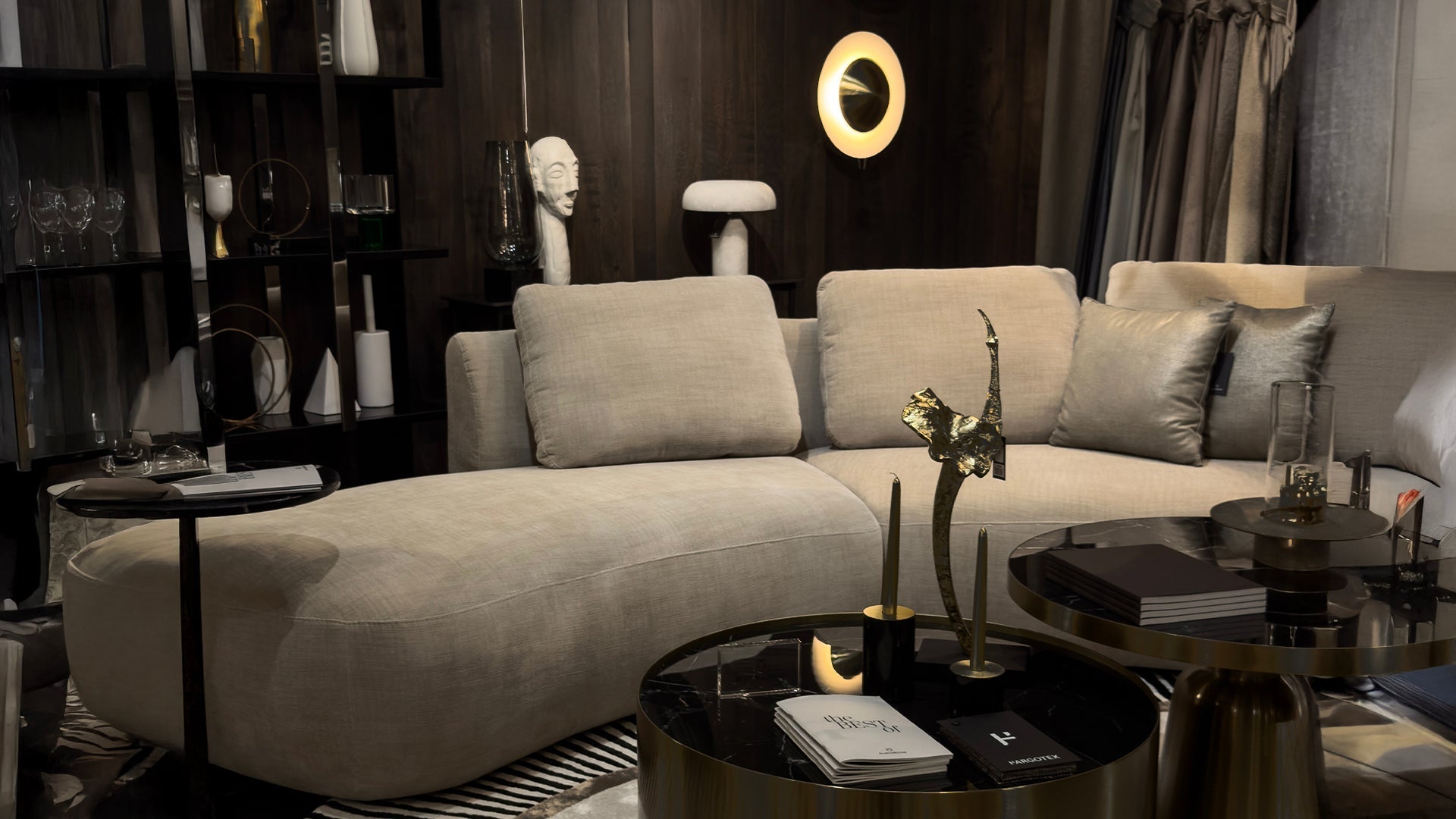
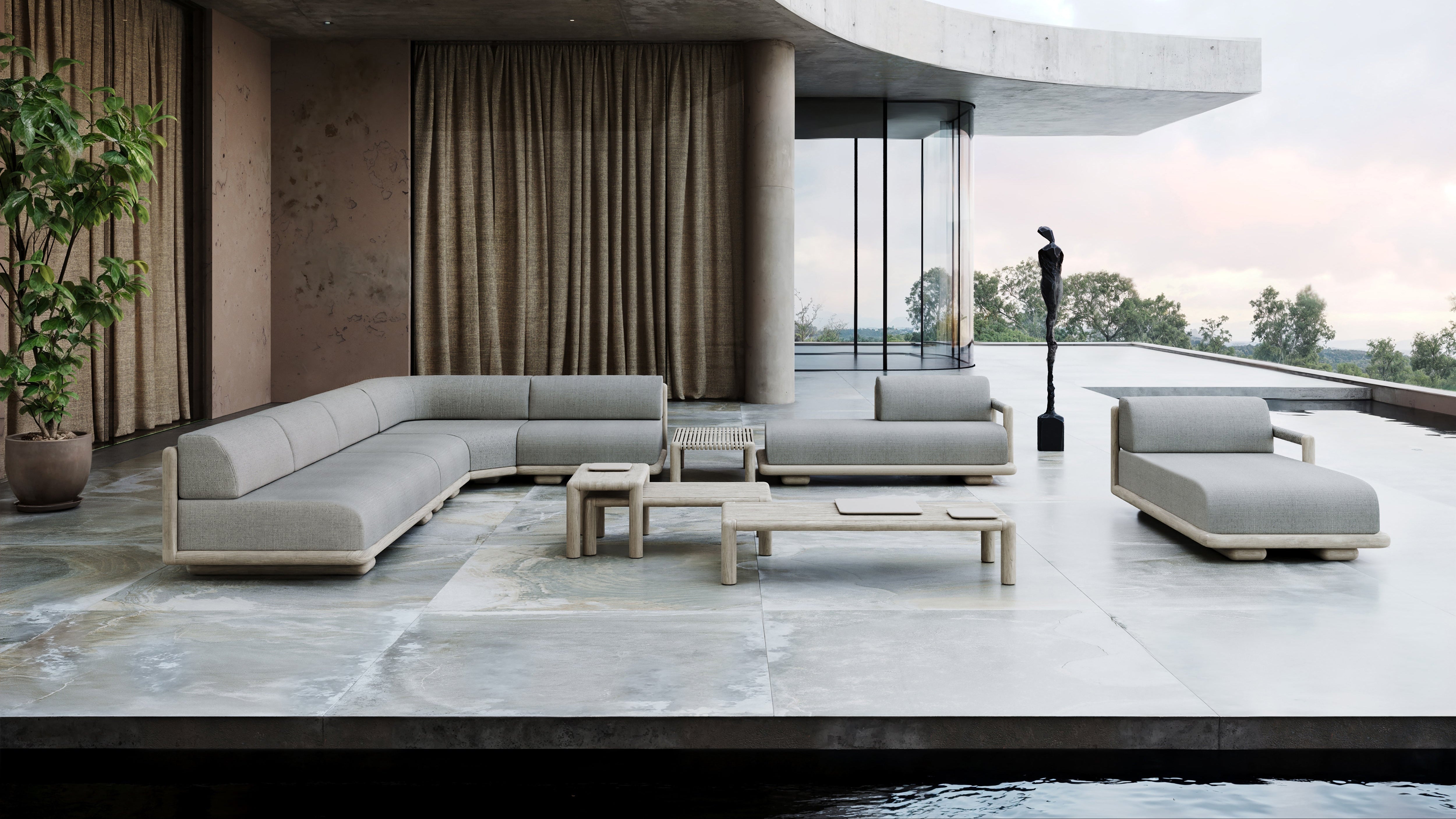
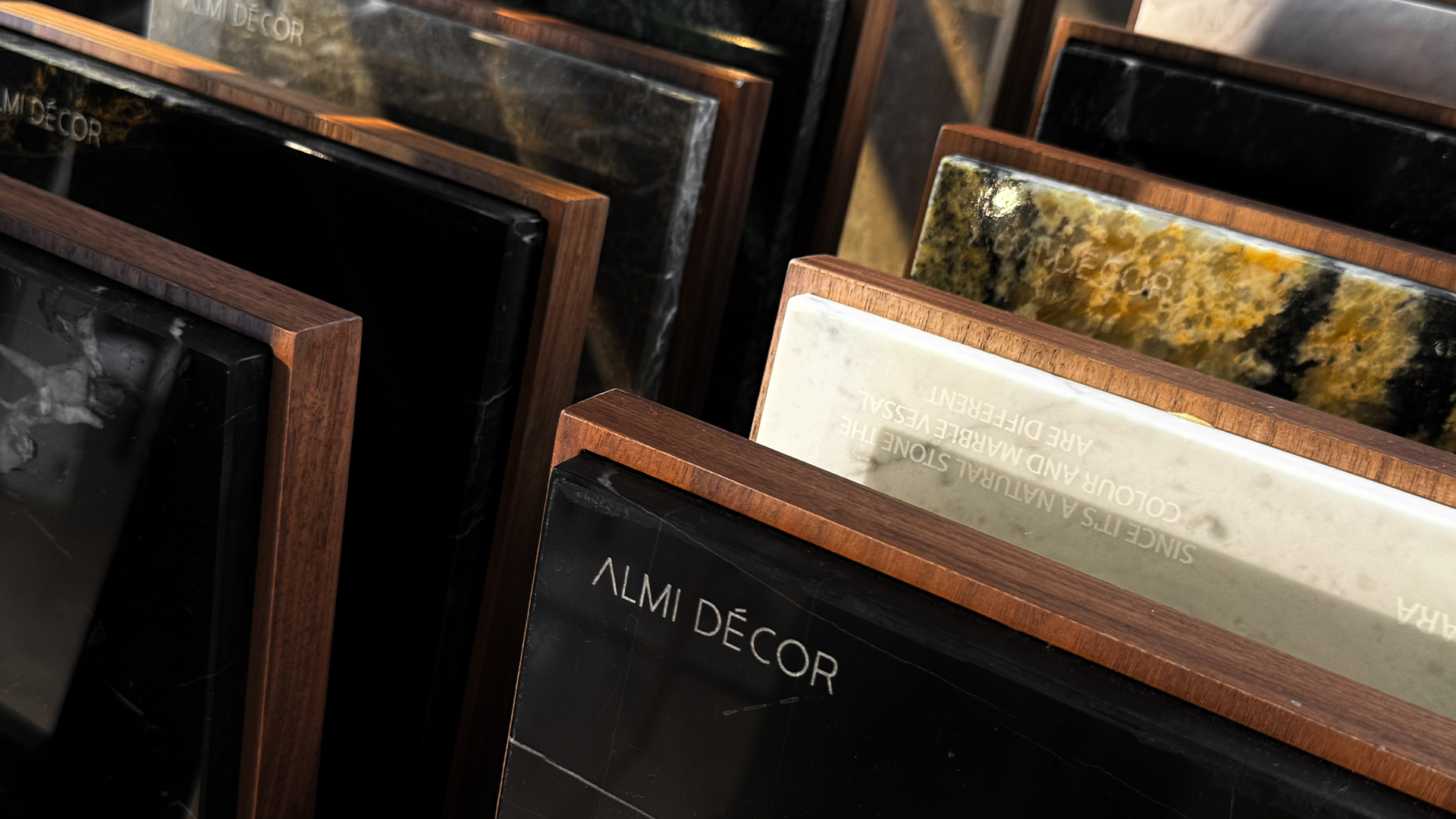
A designer's daily work requires access to inspiration and real-world solutions. This is where AlmiDécor plays a crucial role – a brand that creates a space for dialogue between design and implementation. The AlmiDécor showroom in Warsaw is a meeting place for designers and investors, where collections are presented in the context of finished arrangements. Additional support is provided by a sewing workshop , as well as a zone for architects and interior designers, along with opportunities for networking and promoting their own projects. This resource allows for the design of cohesive, elegant, and refined interiors , while also facilitating sound material and stylistic decisions. Another important element of the resource is the architect's zone , where architects have access to Fargotex fabric textures, 3D furniture models, including outdoor furniture, and design assistance, which truly support the creative process.
Summary
The path to becoming an interior designer is a process requiring consistency, aesthetic sensitivity, and continuous development of skills. Regardless of the chosen educational path, practical experience, the ability to work with clients, and access to reliable design resources are crucial. Collaborating with brands like AlmiDécor allows designers not only to draw inspiration but also provides real support for project implementation at every stage. This is a space where aesthetics meet functionality, and designs gain consistency, quality, and character appreciated by the most discerning clients.